
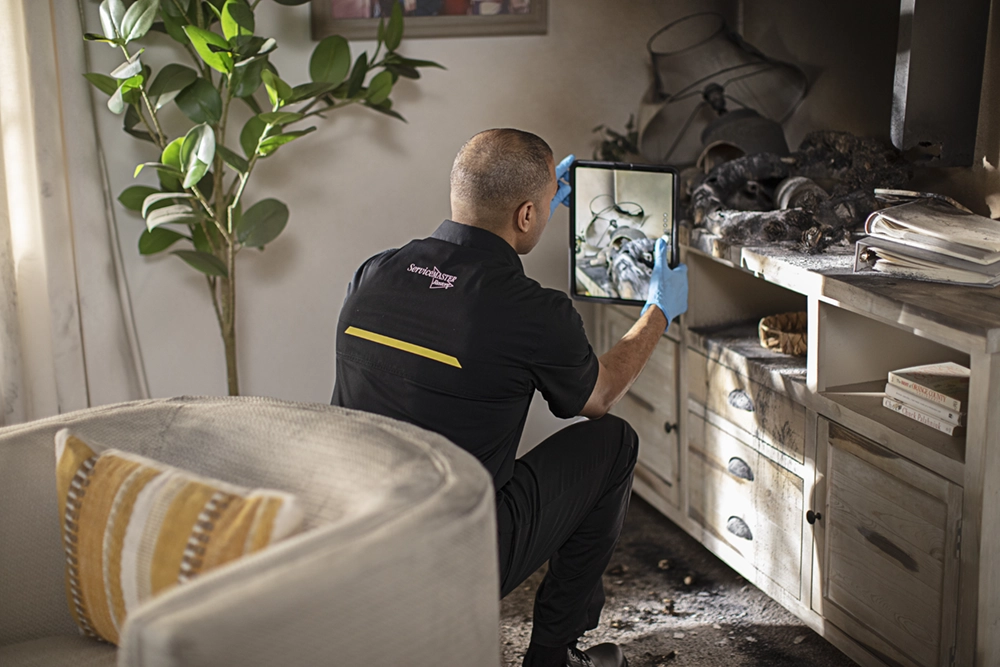
After a house fire, the world can feel divided into before and after. Rooms that once held routines, family dinners, quiet mornings, and familiar objects may now be marked by ash, smoke, water, and uncertainty. The road back can feel especially overwhelming. A clear fire restoration plan gives you a way to move from shock to action, one careful decision at a time.
Put Safety Before Sentiment
Before you step back inside, wait for approval from the proper authorities. Fire can leave behind hidden dangers, including weakened floors, damaged wiring, unstable walls, sharp debris, and contaminated water. If entry is permitted, wear protective gear and move slowly. No keepsake, appliance, or document is worth risking an injury. Safety is the foundation of every successful restoration.
Initial Assessment
Once the property is safe to enter, begin with a detailed assessment. Look beyond what is visibly burned. Smoke, soot, and water can travel into walls, ceilings, flooring, cabinets, ductwork, furniture, and textiles. Odours may settle deep into drywall, wood, carpet, and upholstery, making professional smoke remediation necessary in many cases.
Create a written inventory of damage, noting what must be addressed immediately and what can wait. This list will help you prioritize safety concerns, cleanup, repairs, replacement costs, and conversations with restoration professionals.
Match Your Plan to the Fire, Then Bring in the Pros
The severity of the fire should guide your next financial decisions. After a major fire, you will most likely need to go through insurance to manage the cost, documentation, and full scope of the restoration. If the fire was minor and contained, you may decide that self-financing is simpler or faster, especially if the damage is below your deductible or limited to one area of the home.
No matter which route you choose, professional cleanup should come first. Fire restoration specialists know how to remove soot, smoke residue, water, and contaminated materials safely. Their expertise can prevent hidden damage from spreading, reduce costly mistakes, and protect you from hazards that are easy to miss. Once the property is stabilized and professionally cleaned, you can make more informed choices about what to repair, replace, handle yourself, or postpone.
Break the Recovery Into Manageable Steps
A fire restoration plan should make a stressful time feel more manageable. Instead of trying to solve everything at once, break the recovery into a clear sequence of steps. Start with urgent safety and stabilization needs, then move into cleanup, repairs, replacement decisions, and longer-term planning.
This kind of step-by-step approach helps homeowners focus on what matters most today while keeping the larger restoration project organized. It also makes it easier to set a budget, compare professional estimates, and make steady progress without feeling overwhelmed.
Rebuild With a Clear Plan
A fire restoration plan does more than organize repairs. It restores direction. By putting safety first, documenting the damage, setting a timeline, building a realistic budget, and choosing the right mix of DIY work and professional support, you can bring structure to one of the most difficult recovery experiences a homeowner can face.
For professional fire restoration services, ServiceMaster Restore can help guide the process from assessment to recovery. Our fire restoration specialists can evaluate the damage, estimate restoration costs, and help build a comprehensive plan to restore your home and your peace of mind as quickly and safely as possible.